
The usual fixes, $150–$600
Elements, thermostats, thermocouples, relief valves: the parts that actually fail, tested and swapped in one visit.
Most dead hot water systems are one failed part, not a funeral. We diagnose before we quote, carry the common parts on the van, and get Rose Bay households back under a hot shower the same day, keeping the new-system conversation for tanks that have genuinely earned it.
Here is the industry’s quiet incentive problem: a thermostat is a modest job and a new system is a four-figure one, so guess which gets recommended to people standing in cold water. Yet the actual failure list is boringly repairable, electric tanks lose elements and thermostats, gas units lose thermocouples and pilot assemblies, continuous-flow systems flash error codes that decode to a sensor or a flow fault. Metered, tested and swapped, most of these are same-day fixes at a fraction of replacement money.
Our rule in Rose Bay is simple: the multimeter and manometer speak first. When the verdict is a part, you get the part. When a tank is genuinely at the end, cylinder weeping, second major failure, double-digit age: you get both numbers side by side and the reasoning in plain English. What you will never get is a replacement quote built on nothing but your cold shower and our convenience.
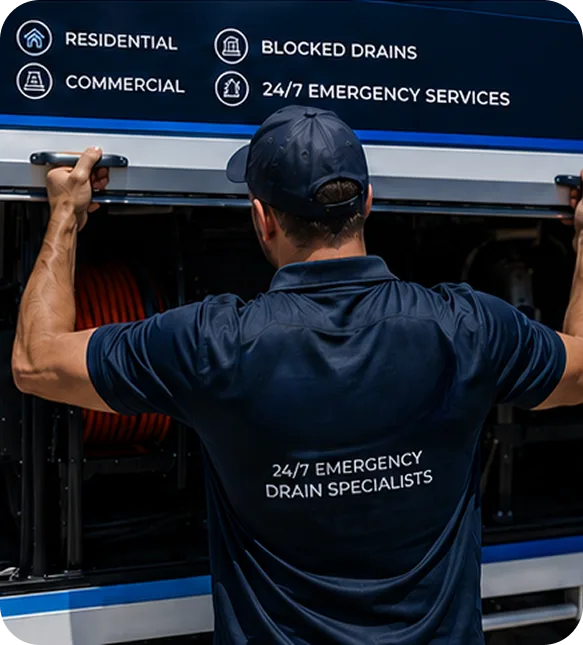
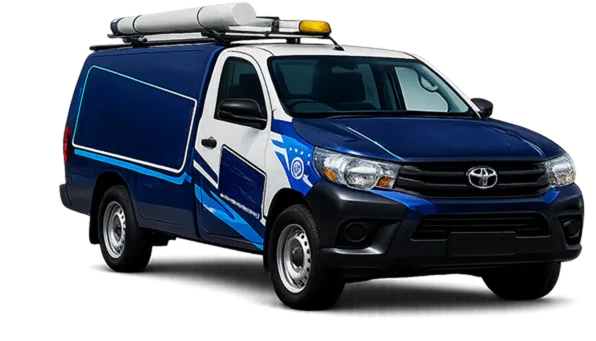
Capacity complaints are usually a sizing problem rather than a fault: two showers at once, or a bath while the dishwasher runs, exceeding what the unit was specified to deliver. Worth diagnosing before replacing anything.
Units mounted outside in a humid, water-adjacent setting corrode at the casing and the fittings well before the cylinder itself gives up. The failure looks sudden and has usually been visible for a year to anyone who looked.
A five-minute look at the top fittings and the base of the casing once a year is the entire maintenance requirement, and it reliably converts an emergency into a planned replacement.
The ABS 2021 Census recorded 68.8% of occupied dwellings in Rose Bay as flats or apartments, against 65.6% of NSW dwellings being separate houses. That is why most hot water calls here reach a cupboard unit, a balcony install or a central plant serving the whole block, rather than a tank in a yard.
In an apartment this is the first question, because it decides who arranges and pays for everything that follows. A unit inside your lot serving only your apartment is yours. A central plant serving the building, or a unit sitting on common property, is the owners corporation's.
Check your strata plan before you authorise work, not after. It is the difference between a bill you owe and one you can hand on.
Properties near the water are more likely to sit unused for stretches, and a hot water system does not enjoy that. Stagnant water accelerates anode consumption, and a unit that has sat for months frequently fails within days of being brought back into use.
Efficient replacements are often simply unavailable in a block. energy.gov.au notes gas heaters are usually installed outdoors because of venting requirements, and heat pumps need open air to draw from, neither of which a third-floor cupboard offers.
If a property is left for a season, isolating and draining the unit is worth the twenty minutes. Bringing it back slowly, with the tank refilled before power or gas is restored, avoids the most common restart failure.
A storage tank holds a lot of water, and in a block it has neighbours underneath. A slow leak that would be a nuisance in a house is a damage claim in an apartment.
If yours sits in an internal cupboard, check that the safe tray beneath it drains somewhere and is not blocked with dust and lint. That tray is the only thing between a failed tank and the ceiling below, and it is almost never inspected.
Rose Bay is a prized harbourside suburb (postcode 2029) hugging the Sydney Harbour foreshore, bordering Vaucluse, Dover Heights and Bellevue Hill. With grand homes, waterfront blocks and leafy streets, blocked drains come with the territory, and we know Rose Bay’s pipes well.
Every storage unit has a relief valve drain line, and on a property with limited fall or a low-lying yard, that line frequently discharges somewhere it should not, against a wall, into a garden bed, or into a pit that backs up in heavy rain.
It matters because a relief line that cannot discharge freely is a safety device that cannot do its job. It is a quick thing to check and a cheap thing to correct.
Instantaneous units suit apartments well: no stored water to fail into the building, no cylinder taking up a cupboard, and no recovery time when several people shower in sequence.
The trade-off is that they need adequate gas supply and correct flue arrangements, which in an older block is not always straightforward. It is worth establishing what the building can actually accommodate before choosing a replacement.
Elements, thermostats, thermocouples, relief valves: the parts that actually fail, tested and swapped in one visit.
Gas valves and continuous-flow control boards, on systems young enough to deserve the investment.
Installed, like for like. Gas storage lands at $1,200–$2,200 installed.
Installed. Endless hot water, nothing to rust through, and the cupboard back.
Installed, after rebates: and the cheapest of everything to actually run. Worth the comparison on every replacement.
Repair and replacement prices arrive together when the tank is marginal, you decide with both in hand. Figures here are indicative of the 2026 Sydney market rather than a quote from us, you get your own number as a fixed price before any work starts.

System type, age and symptom over the phone lets us load the probable part before leaving, that is what makes same-day genuinely same-day.
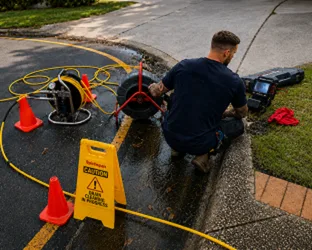
Multimeter on elements, sequence checks on gas, codes read on continuous flow. The diagnosis comes off the meter, never off a sales target.
Repairable means repaired now. End-of-life means the repair and replacement prices side by side, with our reasoning, then your call, unhurried.
Replacements go in with tempering valve, relief drain and compliant connections, old unit gone, and hot water flowing: usually the same day.
Early calls usually shower hot the same night. Tell us the system on the phone and the likely part rides out on the van.
Same-day repairs, straight replace-versus-repair numbers, and a fixed price before work starts.

Leave your details and our local Rose Bay team will call you back fast.