
Call-out or first hour: $80–$180
What most Sydney plumbers charge to attend and start work. Ask for it on the phone. Anyone who will not name it has answered a different question.
Hot water that has given up, a mixer that drips, a toilet that runs, a leak showing on a wall, a gas appliance that needs connecting properly. All of it is licensed work, all of it is what we do, and you get the number before anyone picks up a tool.
Licensed plumbing covers far more than most people picture. Water supply and drainage inside the property, hot water units and their valves, tapware and toilets, gas appliance connections, stormwater pits and downpipes, and every fixture position behind a renovation are all inside it, and all of it carries a licence requirement in NSW.
Knowing that is genuinely useful when you are choosing who to call. A handyman may not legally touch gas, and stormwater is plumbing rather than landscaping. Asking for a licence number before anyone starts takes thirty seconds and rules out the jobs that have to be done twice.


Apartment work is often less about the plumbing and more about coordination: getting into the unit below to see where it is landing, booking a lift, giving notice for water shutdown to a whole line of lots.
A plumber who does this regularly plans for it. If we need to isolate a riser, we will tell you what notice the building requires and work to it, because turning up and shutting water off to twelve apartments unannounced is how a small job becomes a building-wide complaint.
Ground close to the water holds more of it, sits lower and moves more than ground further up. Over decades that shows up as joints that have opened slightly, falls that have flattened and lines that silt where they once ran clean.
Sloping streets running down to the foreshore funnel stormwater fast, and blocked pits back up in heavy rain. We clear them and keep them flowing.
None of that is urgent by itself. It is the reason a fault here often turns out to be the last stage of something that has been developing quietly for years, and why looking inside the line is worth more than clearing it and leaving.
Height above the reservoir sets your incoming water pressure, and around Rose Bay that can vary noticeably street to street. High on the slope you may be living with less than you would like; low down, the opposite problem quietly shortens the life of every flexible hose and mixer in the house.
Rose Bay is a prized harbourside suburb (postcode 2029) hugging the Sydney Harbour foreshore, bordering Vaucluse, Dover Heights and Bellevue Hill. With grand homes, waterfront blocks and leafy streets, blocked drains come with the territory, and we know Rose Bay’s pipes well.
Both are fixable and neither needs guesswork. A gauge on an outside tap takes two minutes and tells us whether you need a pressure limiting valve, a new one because the existing one has failed, or something else entirely.
Stormwater is licensed plumbing work in NSW, and that surprises people who assume a grate and a pit are landscaping. Pits, downpipe connections, charged lines and the point where your property discharges to the street or an easement all sit inside the Plumbing Code, and getting them wrong moves water into a neighbour's yard instead of off yours.
It is worth asking any tradesperson quoting stormwater work for their licence number before they start. A landscaper can dig the trench. The connection at either end is ours.
Rose Bay’s established, leafy streets mean roots find their way into older sewer lines, a top cause of blockages here.
Roots are not looking for your pipe. They are looking for water and air, and a joint that has opened even slightly gives them both. That is why the same species can sit beside a sound line for fifty years and colonise a failing one in two seasons.
The practical answer is almost never the chainsaw. A mature tree is usually worth more to the property than the repair costs, and the roots already inside the line do not leave when the trunk does. Sealing what they came through is the fix.
Most homes around Rose Bay have a low grate outside, usually near a back step or beside the laundry wall, that nobody thinks about until the day it runs. It is set deliberately below the lowest fixture inside so that when something downstream stops taking water, it spills into the garden rather than through your floor.
If yours is buried under mulch, pavers or a new deck, that protection is gone and nobody will notice until the overflow finds the hallway instead. Finding it and keeping it clear is a five minute job that has saved a lot of carpet.
What most Sydney plumbers charge to attend and start work. Ask for it on the phone. Anyone who will not name it has answered a different question.
The standard weekday range once the first hour is done. After-hours and weekends sit higher, because someone is out of bed for it.
Tap and mixer replacements, toilet repairs, a failed valve, swapping tired flexible hoses. Attendance plus the work plus minor parts.
Elements, thermostats, valves and anodes on a tank with life left in it. A full replacement is quoted separately and depends on the unit.
Renovation rough-in, gas line work, anything needing excavation or a second pair of hands. You get a written figure before it starts.
Figures reflect the 2026 Sydney market rather than a quote. You get your own number, in writing, first. Figures here are indicative of the 2026 Sydney market rather than a quote from us, you get your own number as a fixed price before any work starts.
A plumber takes the call, not a message service. Describing the symptom is usually enough for us to tell you what it probably is, what it will likely cost, and whether it genuinely needs someone today.
The crew nearest Rose Bay takes the job, with the common failure points already stocked on the van so most work finishes in the one visit.
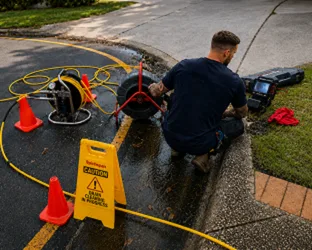
We look at it properly, show you what has actually failed, and put a fixed number in front of you. Nothing starts until you have agreed to it.

The job is completed, tested and cleaned up, and you get the compliance paperwork where the work calls for it.
Describe it and we will tell you whether it is a plumber, a gasfitter or neither, and whether it is worth doing today or booking for the week.
Licensing, pricing, timing and the things worth asking before anyone starts.

Ring us and a tradesperson picks up. Or leave your details and we will call back with a window we can actually meet.

Leave your details and our local Rose Bay team will call you back fast.